Visiting the 7 oldest stops on the London Underground
What better way to kick off my new blog than a post about some of the fascinating history I discovered while running the route of the London’s first underground railway line – the Metropolitan Railway.
A world first
On 10 January 1863, the Metropolitan Railway officially opened, becoming the first underground railway in the world.
London’s population was booming by the mid-19th century, causing severe congestion on the city’s roads. In response, Charles Pearson proposed an underground ‘atmospheric railway’, with carriages being pushed through tunnels using compressed air. After this idea was rejected, Charles promoted a more conventional solution, and after years of planning and fundraising, construction of the Metropolitan Railway began in 1860.
By today’s standards, the work was pretty swift and the line was completed just three years later. It was mostly built using the ‘cut-and-cover’ method, which involved digging a large ditch in the road which was then covered over to create a tunnel.
These early tunnels were deeply unpleasant, largely because the line relied on steam-powered trains. This filled the tunnels with a dense, smoky fog which made journeys on the world’s first underground railway a dark, noisy, and dangerous affair.
Despite this, Victorian Londoners were fascinated with the latest innovation. Around 38,000 people travelled on the Metropolitan Railway on its opening day, and by the end of the first year, 9.5 million passengers are believed to have used the line. The age of the London Underground had begun!
Is there anything left from the original Metropolitan Railway?
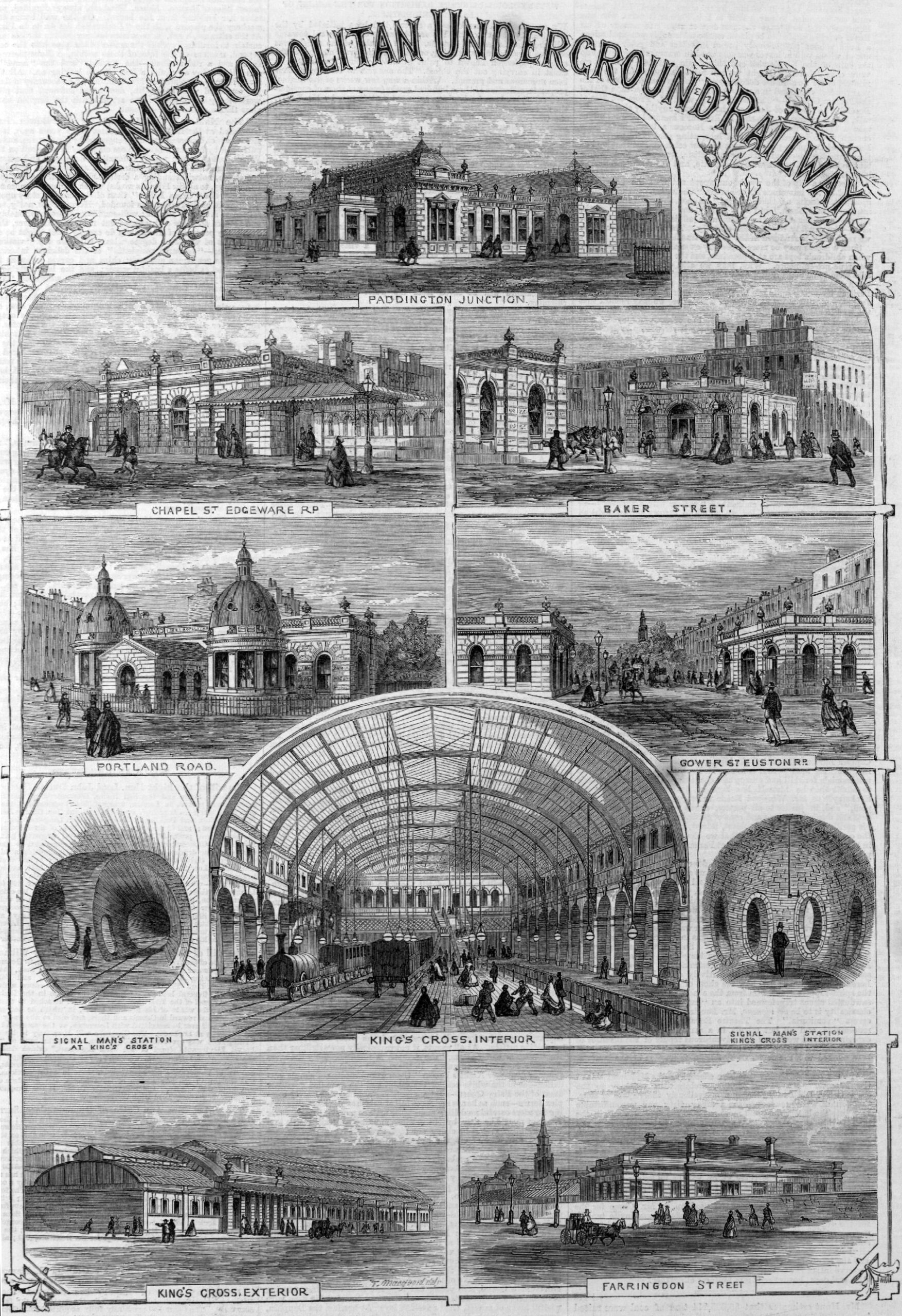
The original Metropolitan Railway connected seven stations along a 6km route: Paddington (Bishop’s Road), Edgware Road, Baker Street, Portland Road, Gower Street, Kings Cross, and Farringdon Street.
Over time, the line expanded significantly, reaching Stanmore by 1932 and Buckinghamshire by the mid-19th century. In 1933, it was absorbed into London Transport and became the Metropolitan line as we know it today.
But does anything still exist from the original Metropolitan Railway? Well, not much. The stops and stations do survive in one way or another, although some with slightly different names and others in slightly different locations (Trigger’s broom from Only Fools and Horses anyone?).
Below is the low-down on each of the original seven stops.
Paddington (Bishop’s Road)
- Bishop’s Road was the western terminus of the original Metropolitan Railway.
- Sadly, nothing remains of the station today as it was absorbed into the main line Paddington Station in 1933.
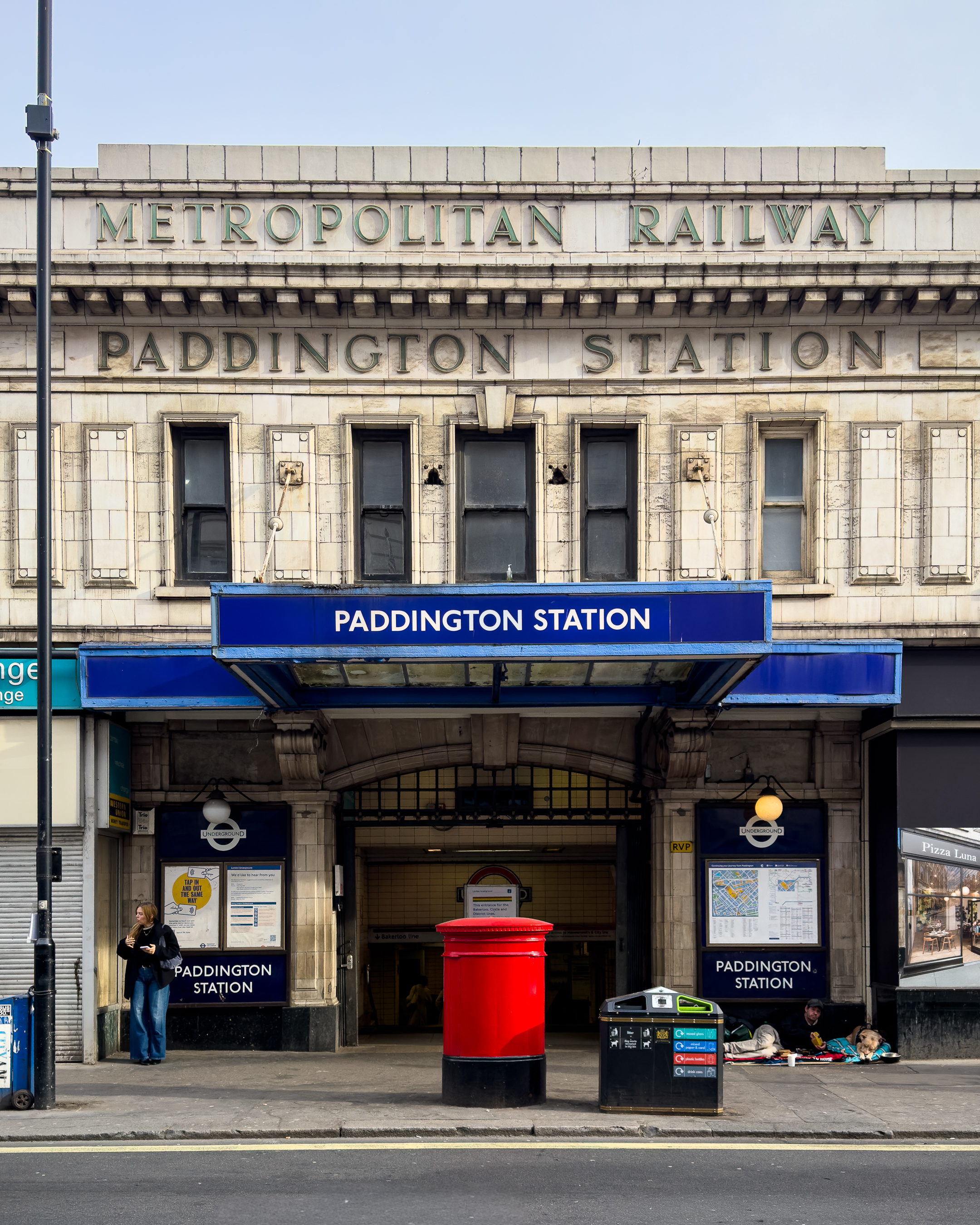
- One station which does survive is Paddington (Praed Street), which opened in 1868 as part of the Metropolitan Railway’s extension to Gloucester Road.
- The original station was rebuilt in 1914 by Metropolitan Railway architect Charles W. Clark, who covered the station in white faience cladding – a style we’ll see at other Metropolitan stations as well.
- In 1947, Paddington (Praed Street) was renamed ‘Paddington’ and served the Metropolitan line until 1949, when the Circle line took over its platforms.
- Today, the station serves the Bakerloo, District and Circle lines, while the Hammersmith & City Line runs through a separate modern station near the original Bishop’s Road site.
Edgware Road
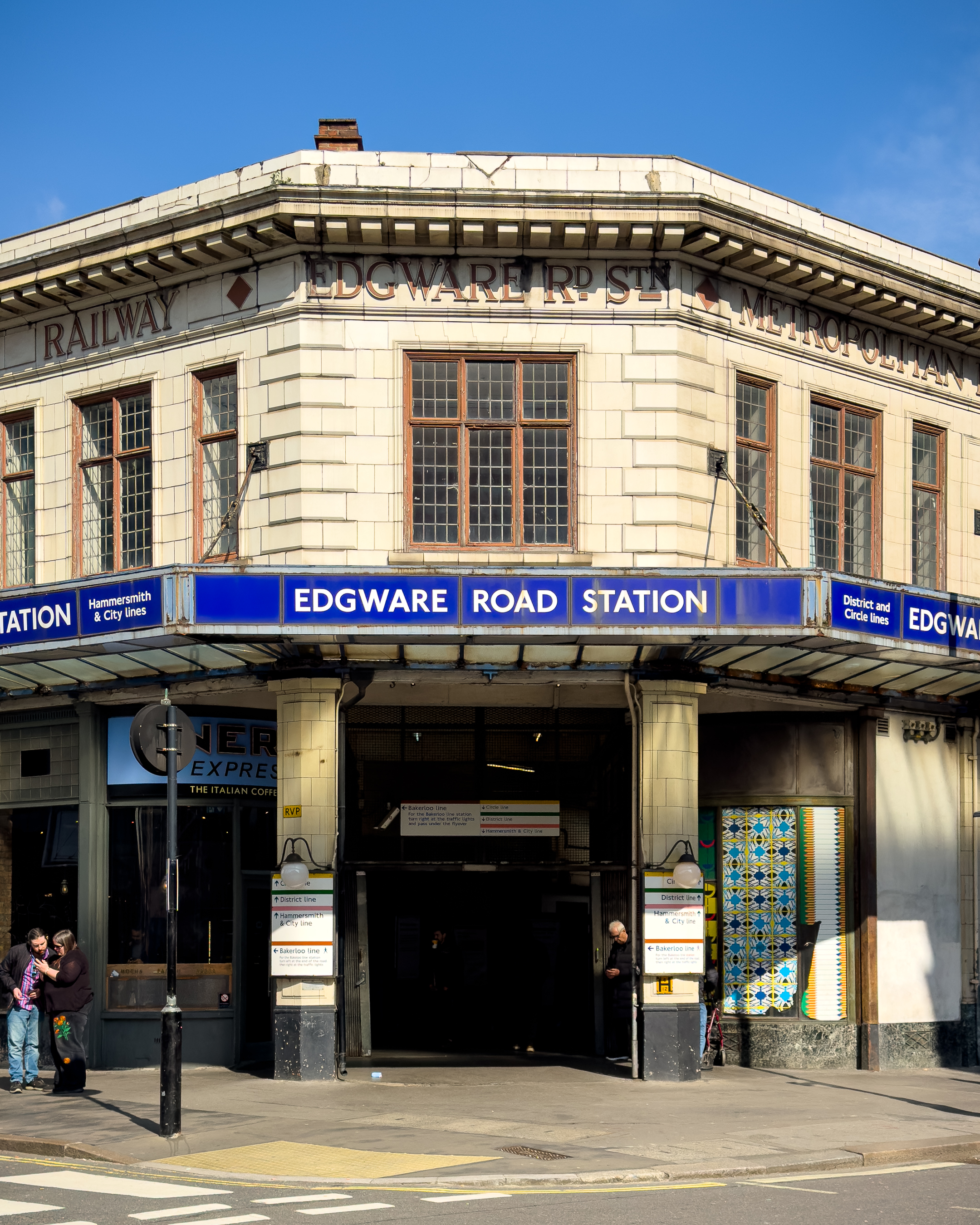
- The original Edgware Road station was a simple building which was rebuilt by Charles W. Clark in 1926, again covered in white faience cladding.
- The station served the Metropolitan line until 1990, when it was replaced by the Hammersmith & City line.
- Sadly, this was one of the sites of the 7/7 bombings in 2025, when an explosion occurred on a Circle line train leaving the station.
- Today, there are actually two completely separate Edgware Road stations:
- The former Metropolitan Railway station which serves the Hammersmith & City, Circle, and District lines.
- The Bakerloo line station which opened in 1907.
Baker Street
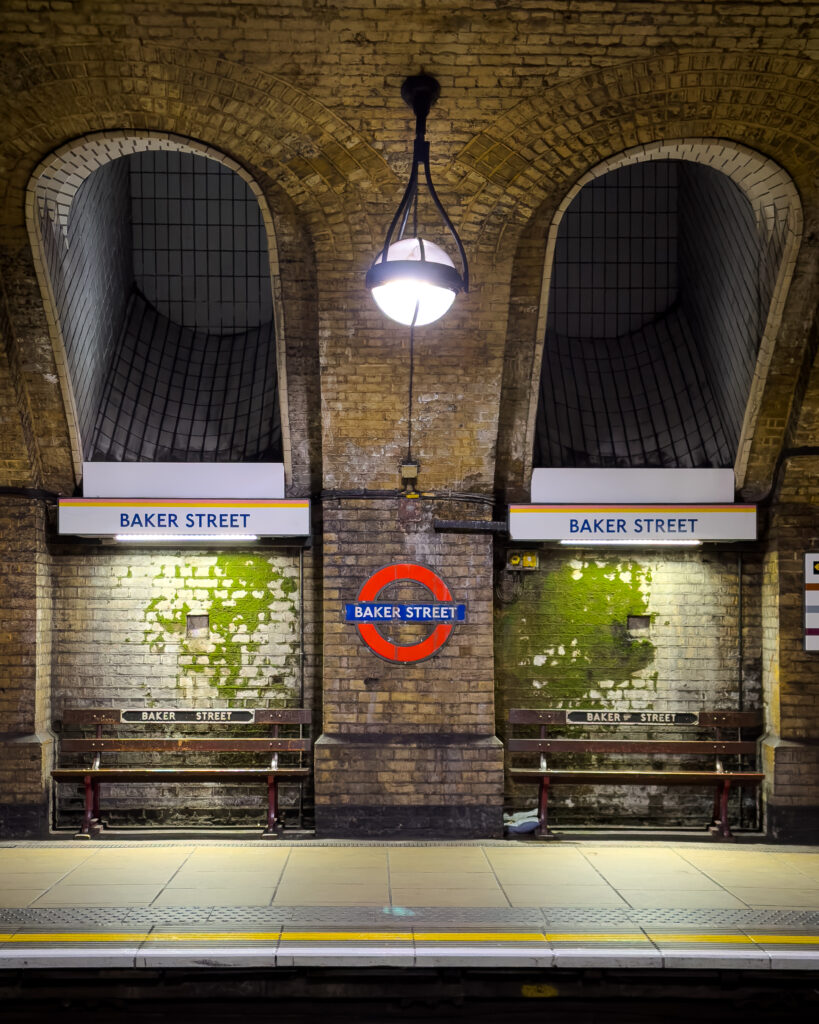
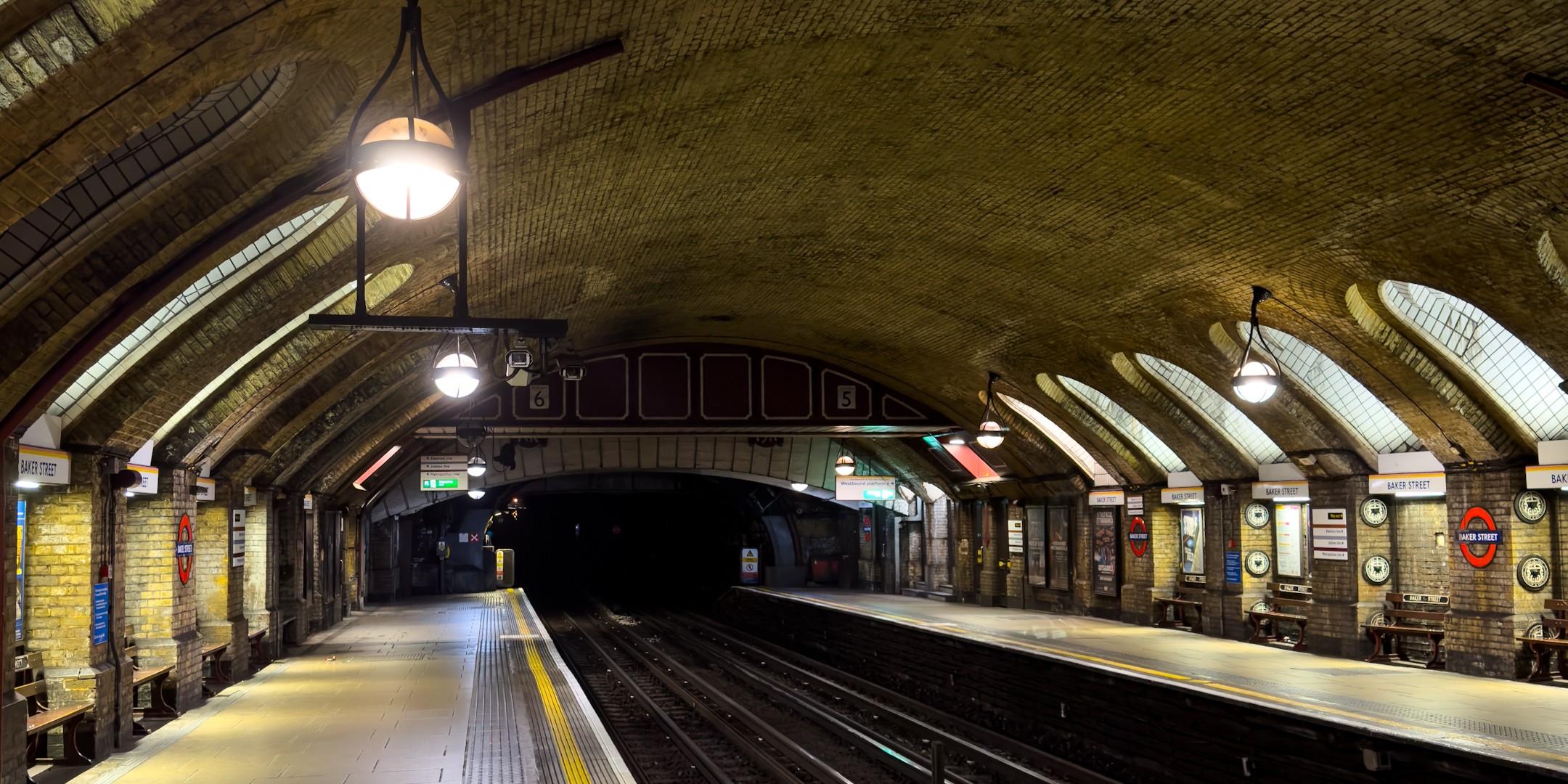
- Baker Street is often described as the world’s oldest underground station, as it still retains its original 1863 platforms (now used by the Hammersmith & City line).
- In 1906, the first deep-level platforms were introduced here as part of the Baker Street & Waterloo Railway – today’s Bakerloo line.
- Chiltern Court sits above the station – an apartment complex designed by Charles W. Clark, which was once home to the Metropolitan Railway’s headquarters.
- Today, Baker Street has 10 platforms – more than any other station on the London Underground network.
Great Portland Street
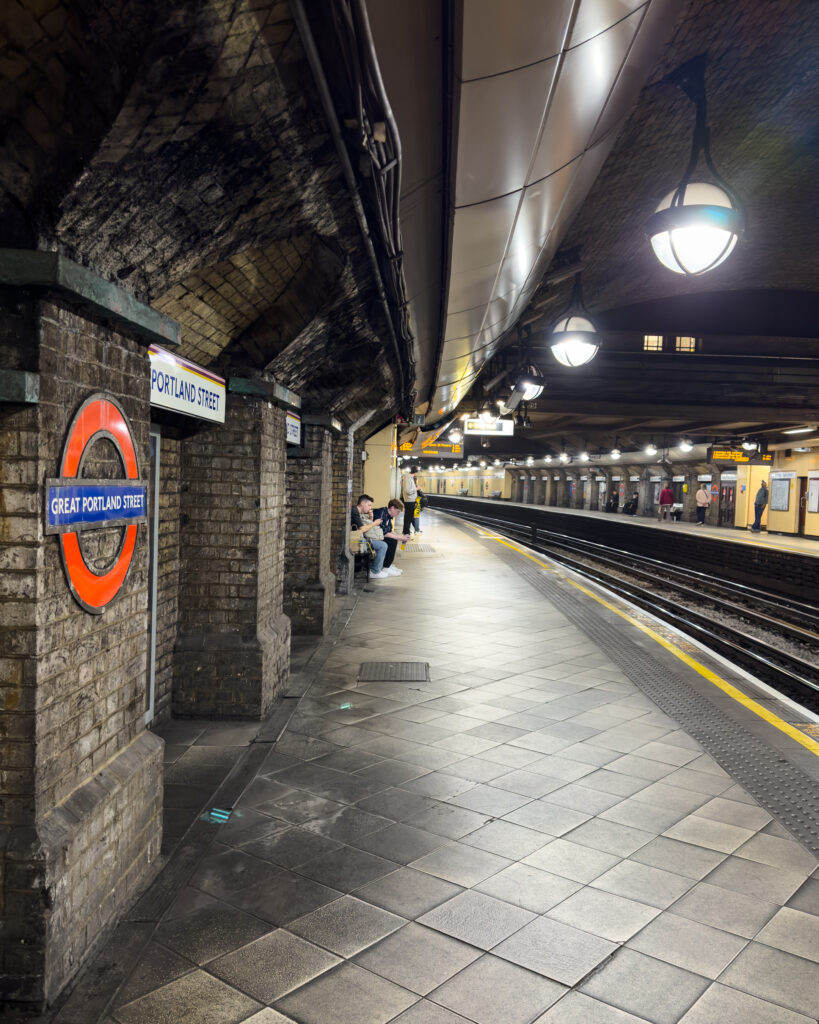
- Great Portland Street opened as ‘Portland Road’ before being renamed ‘Great Portland Street’ in 1917.
- It was one of the more distinctive stations on the Metropolitan Railway, with two domed structures flanking its entrance.
- Between 1929 and 1931, it was rebuilt by Charles W. Clark as a rotunda covered in cream faience cladding, supported by eight columns within the ticket hall.
- During this rebuild, the platforms were extended to accommodate eight-carriage trains, incorporating much of the original 1863 brickwork which is still visible today.
Euston Square
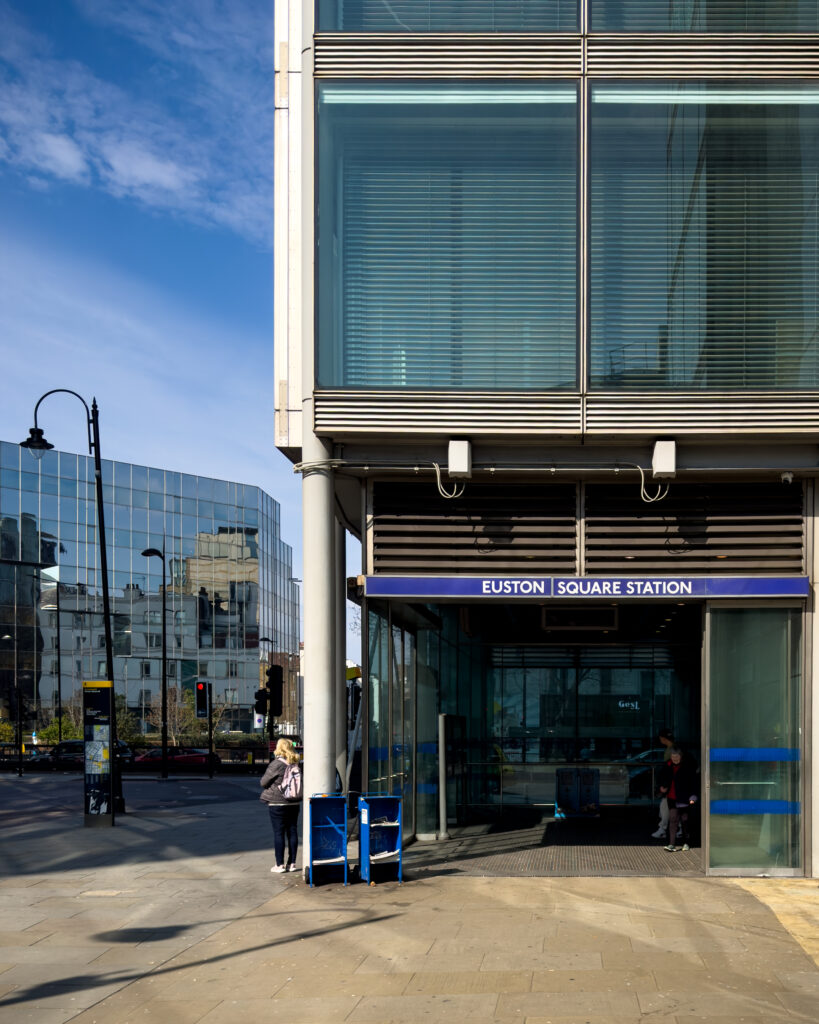
- Euston Square opened as ‘Gower Street’ and was located on the corner of Gower Street and Euston Road.
- In the late 19th century, several proposals were made to connect the station to the main line Euston station, although none were realised.
- In 1909, Gower Street was renamed ‘Euston Square’ and between 1929 and 1931 the station was rebuilt by Charles W. Clark in a pavilion style.
- Sadly, very little survives from the original station and since 2006, the station entrance has been incorporated into the Wellcome Trust building at 215 Euston Road.
King’s Cross
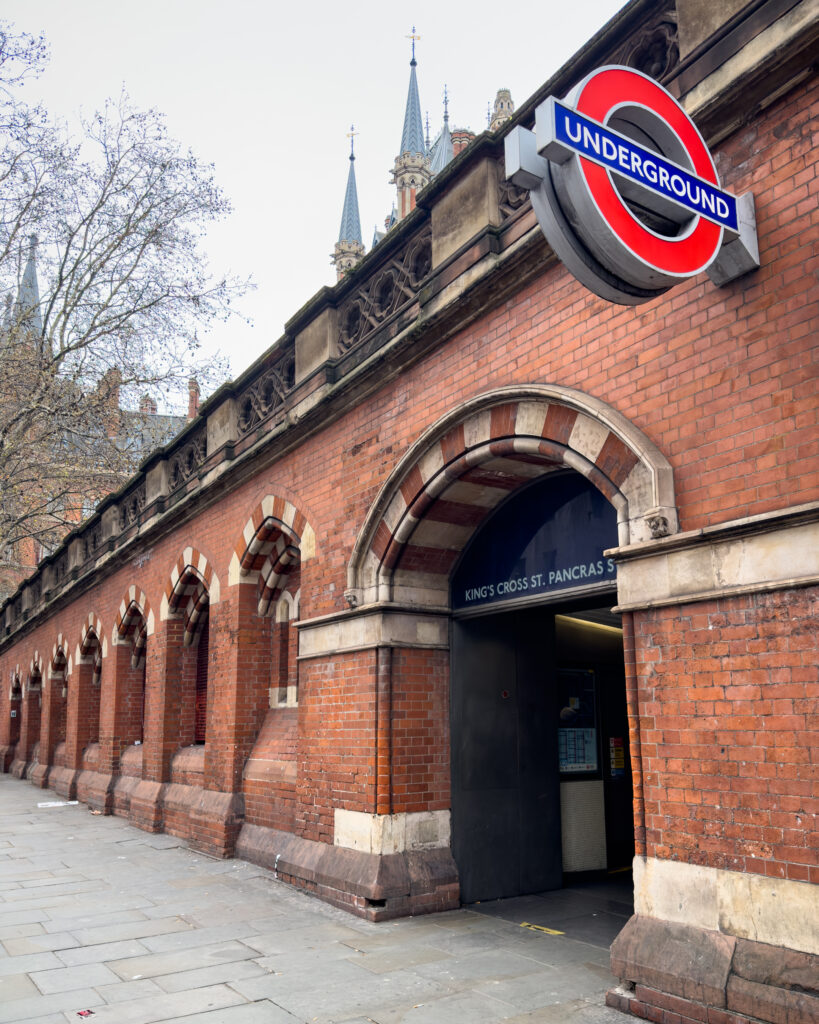
- King’s Cross was the pride of the Metropolitan Railway, featuring tall brick walls and a huge arched glass roof.
- In 1906, the Great Northern, Piccadilly and Brompton Railway (Piccadilly line) arrived at King’s Cross, followed by the City & South London Railway (Northern line) in 1907.
- In 1933, the station was formally renamed King’s Cross St Pancras, although the Metropolitan line platforms continued using ‘King’s Cross’ until 1940.
- In 1987, a devastating fire occurred here, claiming 31 lives. It prompted major safety reforms across the Underground, including the removal of wooden escalators and a network-wide smoking ban.
- Today, King’s Cross St Pancras is the second busiest station on the London tube network for passenger entrances and exits combined.
Farringdon Street
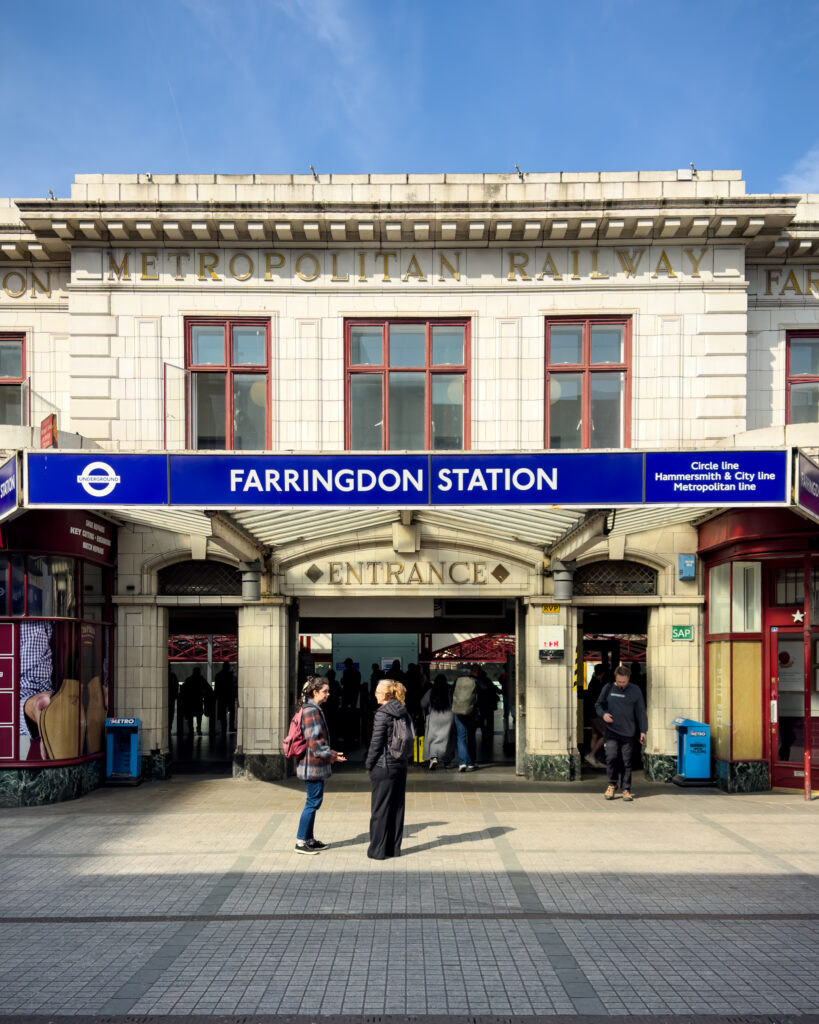
- Farringdon Street was the eastern terminus of the original Metropolitan Railway and a grand banquet was held here to celebrate the line’s opening in January 1863.
- The station was originally located a short distance away but was moved to its present site in 1865, when the line was extended to Moorgate.
- In 1922, it was rebuilt by Charles W. Clark in white faience cladding and was renamed ‘Farringdon & High Holborn’, before becoming ‘Farringdon’ in 1936.
- During the Metropolitan Railway’s construction, the River Fleet sewer burst into the tunnel between King’s Cross and Farringdon Street, causing a three-month delay to the Met’s construction. Unbelievably, there were no fatalities.
I ran this route on 22 March 2026, and would really recommend walking, running, or cycling it yourself if you ever get the chance. You can follow the exact same route here: